Waterproof Luggage: How to Choose the Best Suitcase or Travel Bag
*We may earn a commission for purchases made using our links. Please see our disclaimer to learn more.
Traveling can be unpredictable, especially when unexpected rain, wet airport surfaces, or outdoor adventures put your belongings at risk. Whether you’re navigating a busy airport during a downpour or taking a boat to a remote destination, the last thing you want is to open your suitcase and discover soaked clothes, damaged electronics, or damp travel essentials.
That’s where waterproof luggage becomes valuable. Unlike conventional suitcases, luggage designed for serious water protection uses specialized materials, sealed closures, and protective construction to help keep moisture away from your belongings.
However, not every suitcase marketed as waterproof provides the same level of protection. Some bags handle occasional rain, while others are designed to withstand temporary immersion in water.
This guide explains how waterproof luggage works, the features that matter, and four travel bags worth considering. You’ll also learn how to choose the right luggage for your travel style and protect your belongings in wet conditions.
“Even zippers that are water resistant will let water sneak in eventually.”
— REI Co-op, Tips for Backpacking in the Rain
Key Takeaways
- Waterproof and water-resistant luggage are different. Waterproof designs provide more substantial protection, while water-resistant bags generally handle limited exposure to moisture.
- Sealed closures matter as much as materials. Waterproof shells alone cannot prevent leaks through ordinary zippers and unsealed seams.
- IP ratings help compare protection. IP67 and IPX7 indicate specific laboratory-tested immersion protection.
- Different luggage styles serve different needs. Wheeled hard cases suit airports and sensitive equipment, while waterproof duffels are useful for outdoor adventures.
- Proper packing improves protection. Waterproof pouches, dry bags, and careful closure maintenance provide additional security.
4 Waterproof Luggage Options Worth Considering
These four products address different travel needs, from wheeled protective cases to flexible waterproof duffel bags.
1. Pelican 1535 Air Carry-On Case — Best for Protecting Valuable Equipment


Premium multi-purpose hard case offering crushproof, watertight, and dustproof protection for various items like cameras, dive gear, electronics, and more. TSA approved, featuring wheels, organizers, and Pelican's trusted Lifetime Guarantee of Excellence. Made in the USA, trusted by military, divers, and first responders since 1976.
- Ultimate Protection: Crushproof, watertight, and dustproof for top-tier safeguarding.
- Versatile Storage: Organizers, mesh compartments, and zippered storage enhance organization.
- Trusted & Warranty: Used by professionals; backed by Pelican's Lifetime Guarantee of Excellence.
- Size Constraints: Exterior dimensions (21.96" x 13.97" x 8.98") may limit storage for larger items.
- Fixed Features: Built-in components might not suit specific storage needs.
- Weight Consideration: Weighs 12.10 lbs, potentially impacting portability for some users.
The Pelican 1535 Air Carry-On Case is designed for travelers who prioritize protection for cameras, electronics, and delicate equipment.
Its rigid HPX² polymer shell provides a durable exterior, while its O-ring seal helps prevent water from entering the case.
The case also features an automatic pressure-equalization valve, secure latches, wheels, and a retractable trolley handle.
According to Pelican, the 1535 Air is IP67-rated, offering protection against dust and temporary water immersion under the specified testing conditions.
Notable features:
- IP67-rated waterproof and dustproof construction
- Durable, lightweight polymer shell
- Waterproof O-ring seal
- Wheels and telescoping handle
- Optional foam and equipment-divider configurations
- Exterior dimensions of approximately 22 × 14 × 9 inches
Best for: Photographers, videographers, business travelers with sensitive equipment, and travelers seeking a protective wheeled case.
Potential drawback: Its protective construction and equipment-focused interior may be less convenient for packing everyday clothing than a conventional suitcase.
2. NANUK 935 Waterproof Hard Case — Best for Rugged Travel


The NANUK 963 Waterproof Hard Case with Wheels is designed to protect cameras, electronics, and valuable equipment during travel. Its rugged construction and IP67 waterproof and dustproof rating help keep belongings protected from moisture, dirt, and demanding conditions.
- Waterproof Protection: IP67-rated construction keeps water and dust out under specified conditions.
- Easy Transportation: Durable wheels and a retractable handle simplify travel.
- Customizable Storage: Spacious empty interior accommodates optional protective inserts.
- Bulky Design: Large dimensions make it unsuitable for standard carry-on travel.
- Additional Costs: Foam inserts, dividers, and locks are sold separately.
- Limited Organization: Empty interior lacks built-in compartments.
The NANUK 935 combines waterproof protection with a reinforced design intended for demanding environments.
It features an impact-resistant NK-7 resin shell and PowerClaw latches that compress the lid against its sealing system.
The case includes polyurethane wheels and a retractable handle, making it suitable for transporting equipment through airports and outdoor locations.
The NANUK 935 is IP67-rated and has exterior dimensions of approximately 22 × 14 × 9 inches.
Its 28.5-liter interior can be configured with foam or padded dividers depending on the equipment being carried.
Notable features:
- IP67 waterproof and dustproof protection
- Impact-resistant NK-7 resin construction
- Secure PowerClaw locking latches
- Pressure-release valve
- Wheels and retractable handle
- Customizable interior configurations
Best for: Adventure photographers, equipment-heavy travelers, and anyone needing a rugged waterproof carry-on case.
Potential drawback: Its relatively heavy construction and specialized storage layout may be unnecessary for travelers carrying only clothing.
3. YETI Panga 50L Waterproof Duffel — Best for Outdoor Adventures


The YETI Panga 50 Waterproof Duffel Bag is designed for travelers who need dependable protection against rain, splashes, and demanding outdoor conditions. Its waterproof HydroLok zipper and U-Dock closure create an airtight seal when properly secured, helping keep clothing, electronics, and other essentials dry.
- Waterproof Protection: HydroLok zipper and U-Dock closure help keep belongings dry.
- Durable Construction: ThickSkin shell resists punctures and abrasions.
- Versatile Carrying: DryHaul straps allow hand or backpack-style carrying.
- Premium Price: More expensive than many conventional travel duffels.
- No Wheels: Must be carried, which can be tiring when fully packed.
- Stiff Zipper: Waterproof closure may require extra effort to open and close.
The YETI Panga 50L Waterproof Duffel is designed for adventures where luggage may encounter substantial water exposure.
Unlike a conventional travel duffel, the Panga uses a waterproof ThickSkin shell and HydroLok zipper.
The zipper closes into a specialized docking point that helps maintain its watertight seal.
YETI states that the Panga has been tested to IPX7, meaning it provides protection against temporary immersion when properly closed.
The bag also includes reinforced carrying straps, a molded bottom, and interior mesh pockets.
Its 50-liter capacity makes it suitable for packing clothing, outdoor gear, and other travel essentials.
Notable features:
- IPX7-rated immersion protection
- Waterproof HydroLok zipper
- Puncture-resistant shell
- Reinforced carrying straps
- Molded base
- 50-liter capacity
Best for: Camping, fishing, boating, road trips, and wet outdoor environments.
Potential drawback: It does not have wheels, and its rugged construction comes at a premium price.
4. Earth Pak Voyager 50L Waterproof Duffel — Best Budget-Friendly Option


Designed for rugged adventures and demanding travel, the Earth Pak Rover Waterproof Duffel Bag is built to keep your gear dry, organized, and protected no matter where the journey takes you. Made from ultra-durable 1680D TPU with an abrasion-resistant bottom, this waterproof luggage offers superior performance in harsh outdoor conditions, whether you’re hiking, camping, boating, or motorcycling. Available in 70L, 115L, and 160L capacities, this duffel bag features an innovative 8x8 PopOut Pocket for quick access to essentials, an internal zip pocket with a keychain ring for small valuables, and a diamond-shaped internal frame that keeps the bag open for effortless packing.
- Fully Waterproof Design: 1680D TPU shell offers superior water resistance, perfect for marine and outdoor use.
- Ample Storage Capacity: Available in large 70L, 115L, and 160L sizes to suit any adventure.
- Versatile Carry Options: Detachable shoulder straps and multiple grab handles for flexible transport.
- Bulky When Full: Larger capacities may be cumbersome for casual or light travel.
- No Wheeled Option: Requires carrying or shoulder transport; not ideal for airport use.
- Minimal Internal Organization: Focused on durability over compartmentalization for small items.
The Earth Pak Voyager Waterproof Duffel offers a practical option for travelers seeking rain protection without purchasing an expensive rigid case.
Made from heavy-duty 500D PVC, it features thermo-welded seams and a roll-top closure designed to keep moisture away from the main compartment.
Its flexible construction makes it useful for camping, beach trips, boating, and general outdoor travel.
The bag also includes interior mesh pockets, carrying handles, and attachment points.
Unlike the IP67-rated hard cases, the Voyager is not intended for prolonged underwater immersion.
Earth Pak recommends rolling the top several times and securing the buckles to achieve proper protection.
Notable features:
- Waterproof 500D PVC construction
- Thermo-welded seams
- Roll-top closure
- Multiple capacity options
- Flexible and collapsible design
- Carrying straps and attachment points
Best for: Budget-conscious travelers, beach vacations, camping, and outdoor trips where rain and splashes are the main concerns.
Potential drawback: It is not designed for extended submersion, and the roll-top opening may be less convenient for frequent access.
What Is Waterproof Luggage?
Waterproof luggage refers to suitcases, duffel bags, and travel cases designed to prevent water from entering their main storage compartments under specified conditions.
Depending on the design, protection may come from an impermeable shell, welded seams, waterproof zippers, sealing gaskets, or roll-top closures.
Unlike traditional luggage that focuses primarily on portability and storage, waterproof luggage prioritizes keeping its contents dry.
This makes it particularly useful for travelers carrying cameras, laptops, clothing, documents, or equipment that could be damaged by moisture.
However, waterproof protection has limits. A bag designed to withstand rain may not survive prolonged submersion. Always check the manufacturer’s specific claims and testing information.
Waterproof vs. Water-Resistant Luggage
Although the terms sound similar, they describe different levels of protection.
| Feature | Waterproof luggage | Water-resistant luggage |
|---|---|---|
| Light rain | Designed to protect | Usually suitable |
| Heavy rain | Suitable when properly sealed and rated for the conditions | Protection varies |
| Temporary submersion | Only specifically rated models | Generally unsuitable |
| Construction | Sealed shells, welded seams, specialized closures | Coated fabrics, ordinary or protected zippers |
| Common uses | Water-based adventures, equipment protection, wet environments | Everyday travel, airports, short trips |
A water-resistant suitcase may be sufficient for occasional airport travel. However, travelers frequently exposed to heavy rain, boats, or wet outdoor conditions may benefit from more protective luggage.
How Waterproof Luggage Works
Waterproof luggage combines materials and construction techniques that reduce the number of entry points for water.
Waterproof Shell Materials
Common materials include:
- Polycarbonate and polypropylene: Rigid materials used in protective cases and hard-shell luggage.
- Polyvinyl chloride (PVC): A waterproof material commonly used in outdoor duffel bags and dry bags.
- Thermoplastic polyurethane (TPU): A flexible material used in coated fabrics and waterproof bag construction.
- Coated nylon: A lightweight fabric that can offer effective waterproof protection when combined with sealed seams and closures.
The material alone does not determine whether a bag is waterproof.
A suitcase with a rigid, nonporous shell may still leak around its zipper or closure.
Waterproof Zippers and Sealed Closures
Closures are among the most important features of waterproof luggage.
Standard luggage zippers contain small openings that may allow moisture to enter during prolonged exposure.
Waterproof designs address this through specialized watertight zippers, compression gaskets, or roll-top systems.
A waterproof zipper must be completely closed to provide its intended protection. Similarly, a roll-top bag typically requires multiple folds before its buckles are secured.
Welded Seams and Protective Gaskets
Many waterproof duffels use heat-welded seams to join fabric sections without creating conventional needle holes.
Rigid protective cases often use rubber gaskets or O-ring seals around the lid.
When properly closed, these seals create a barrier against water entering through the case opening.
Understanding Waterproof Ratings
Some luggage manufacturers use Ingress Protection (IP) ratings to describe resistance to dust and water.
These ratings can help buyers compare products more objectively.
| Rating | What it means |
|---|---|
| IPX4 | Protection against splashing water |
| IPX6 | Protection against powerful water jets |
| IPX7 | Protection against temporary immersion under specified test conditions |
| IP67 | Dust-tight protection and temporary immersion protection |
For IPX7 and IP67 products, the commonly stated immersion test is up to one meter of water for 30 minutes.
However, these ratings do not mean a bag is suitable for unlimited underwater use or every possible water pressure.
Ratings also assume the product is undamaged and correctly closed.
For example, a waterproof zipper that has not been fully sealed may compromise the bag’s protection regardless of its advertised rating.
How to Choose the Best Waterproof Luggage
The right waterproof luggage depends on where you’re traveling, what you’re packing, and how much protection your belongings need.
Consider Your Travel Environment
For regular flights and hotel stays, a quality water-resistant suitcase may provide adequate protection against occasional rain.
For camping, boating, kayaking, or traveling through consistently wet environments, a waterproof duffel or protective hard case may be a better choice.
Think about your luggage’s likely exposure.
Will it encounter brief rain while moving between buildings, or will it spend hours outdoors?
The greater the expected water exposure, the more important a documented waterproof rating becomes.
Choose the Right Size and Capacity
Waterproof luggage comes in different sizes, including compact equipment cases and large duffel bags.
For short trips, a carry-on-size case may be sufficient.
Longer journeys often require more storage space, although large waterproof duffels may need to travel as checked baggage.
When comparing luggage, consider its usable interior space rather than relying entirely on exterior dimensions.
Hard protective cases may have relatively thick walls and seals that reduce available packing capacity.
Check Weight and Portability
Waterproof construction can add weight, particularly in rigid cases with reinforced shells and heavy-duty latches.
If you’re frequently moving through airports, look for smooth-rolling wheels and telescoping handles.
For outdoor travel, carrying straps and flexible construction may be more practical than wheels.
A lightweight waterproof duffel can also be easier to store when it’s empty.
Examine the Closure System
Before purchasing, determine how the bag seals.
A gasket-sealed hard case can provide strong protection but may be less convenient for frequent access.
Waterproof zippers offer quicker access, although they may feel stiffer than ordinary zippers and require maintenance.
Roll-top closures are straightforward but must be folded and secured correctly.
Choose a closure that matches how often you’ll need to open your luggage.
Evaluate Organization and Durability
Look for useful features such as padded dividers, interior compartments, reinforced handles, and abrasion-resistant materials.
If you’re carrying expensive electronics, protective foam or padded inserts may be more important than maximum storage capacity.
For clothing and general travel essentials, a spacious main compartment with packing organizers may be sufficient.
Waterproof Luggage Comparison
| Product | Protection | Capacity | Wheels | Best use |
|---|---|---|---|---|
| Pelican 1535 Air | IP67 | Approx. 27 L interior | Yes | Sensitive equipment |
| NANUK 935 | IP67 | 28.5 L | Yes | Rugged travel |
| YETI Panga 50L | IPX7 | 50 L | No | Outdoor adventures |
| Earth Pak Voyager 50L | Rain and splash protection; not for prolonged immersion | 50 L | No | Budget outdoor travel |
Each product has advantages, but no single design is ideal for every traveler.
If wheeled convenience and equipment protection are priorities, the Pelican and NANUK cases are strong options.
For outdoor adventures requiring a flexible bag, the YETI Panga offers documented immersion protection. The Earth Pak Voyager provides a more affordable alternative for rain and splash exposure.
Waterproof Luggage for Air Travel
Waterproof luggage can be used for air travel, but its size, weight, and construction should be considered before departure.
Carry-On Size Requirements
Many US airlines use carry-on limits around 22 × 14 × 9 inches, including wheels and handles.
However, permitted dimensions vary by airline, aircraft, and ticket type.
Measure the entire bag before traveling, particularly if it has bulky handles, wheels, or external attachments.
A waterproof case advertised as carry-on compatible may not meet every airline’s requirements.
Security Screening and Accessibility
Hard waterproof cases often use heavy-duty latches rather than traditional luggage zippers.
These designs can be useful for equipment protection, but they may require additional handling during security screening.
Keep your travel documents, identification, and items needed during screening accessible.
Avoid placing frequently used essentials deep inside a difficult-to-open protective case.
Packing Electronics Safely
Waterproof luggage provides additional moisture protection, but travelers must still follow airline rules for electronic devices and batteries.
The Federal Aviation Administration requires spare lithium batteries and power banks to travel in carry-on baggage rather than checked luggage.
When packing valuable electronics, consider padded cases and waterproof internal organizers for additional protection.
How to Keep Your Belongings Dry While Traveling
Even high-quality waterproof luggage works best when packed and maintained correctly.
Use Waterproof Packing Organizers
Place sensitive belongings inside smaller waterproof pouches or dry bags.
This provides another layer of protection if the main bag is opened in the rain or its seal becomes compromised.
Separate electronics, medication, important papers, and other moisture-sensitive items.
Keep Wet Clothing Separate
Packing damp clothing with dry items can create moisture problems inside a sealed suitcase.
Waterproof luggage may prevent water from entering, but it can also trap moisture already inside.
Use a dedicated waterproof laundry bag for wet swimwear, towels, or clothing until everything can be dried properly.
Inspect the Seals Before Traveling
Before departure, examine zippers, gaskets, roll-top closures, and seams.
Remove dirt, sand, or debris that could interfere with a watertight seal.
For rigid cases, inspect the gasket for visible damage.
For waterproof duffels, follow the manufacturer’s instructions for closing and maintaining the zipper or roll-top system.
Test the Bag Before a Wet Adventure
If you’re planning a trip involving significant water exposure, inspect and test the luggage before relying on it.
Use nonvaluable items during any initial water-resistance check.
Avoid deliberately submerging luggage unless the manufacturer specifically permits it.
A successful home test does not replace the manufacturer’s rated protection.
Common Mistakes When Buying Waterproof Luggage
Assuming Every Hard-Shell Suitcase Is Waterproof
Hard-shell luggage often uses water-resistant materials, but ordinary zippers and seams may still allow rainwater to enter.
A rigid exterior does not guarantee a waterproof interior.
Ignoring the Closure Design
A waterproof fabric cannot compensate for an improperly sealed opening.
Check whether the product uses a waterproof zipper, gasket, or roll-top closure.
Choosing Protection Without Considering Weight
Heavy-duty waterproof cases can add significant weight to your luggage.
For travelers who frequently walk long distances or use public transportation, portability should remain an important consideration.
Overlooking Interior Space
Rigid protective cases may offer less usable packing space than similarly sized conventional suitcases.
Check the interior dimensions and capacity before purchasing.
Paying for More Protection Than Necessary
Not everyone needs luggage that can withstand temporary immersion.
For hotel trips and occasional rain exposure, a water-resistant suitcase with additional waterproof organizers may be sufficient.
Choose a protection level that matches your actual travel conditions.
How to Clean and Maintain Waterproof Luggage
Regular maintenance helps waterproof luggage remain functional over time.
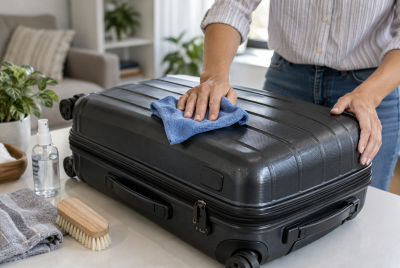
Start by emptying the bag and removing loose dirt or debris.
For most waterproof hard cases and PVC duffels, a soft cloth with mild soap and water can help clean exterior surfaces.
Avoid harsh cleaning chemicals unless the manufacturer specifically recommends them.
Pay particular attention to seals, zipper tracks, and closure areas, where grit may interfere with proper operation.
Waterproof zippers may require specialized lubricant. Follow the manufacturer’s instructions rather than applying an unsuitable household product.
After cleaning, allow the bag’s interior and exterior to dry completely before storage.
Keep luggage away from excessive heat and prolonged conditions that could damage seals or coatings.
Inspect the bag periodically for cracks, worn seams, damaged gaskets, and other signs of deterioration.
Proper maintenance cannot eliminate every failure risk, but it can help preserve the protection the manufacturer designed the bag to provide.
Frequently Asked Questions About Waterproof Luggage
1. Is waterproof luggage really waterproof?
Some waterproof luggage is designed and tested to resist temporary immersion, while other products are intended primarily for rain and splashes. Look for documented ratings such as IP67 or IPX7 and read the manufacturer’s instructions. Protection depends on the bag’s condition, closure, and the type and duration of water exposure.
2. What is the difference between waterproof and water-resistant luggage?
Waterproof luggage is designed to prevent water from entering under specified conditions, often through sealed construction. Water-resistant luggage offers more limited protection against moisture, such as light rain or brief exposure. A bag made from waterproof material is not necessarily waterproof as a complete product if its seams or zippers can leak.
3. Can waterproof luggage be used as carry-on baggage?
Yes, some waterproof hard cases and duffels are designed for carry-on travel. However, acceptance depends on the airline’s size and weight restrictions. Always include handles, wheels, and external components when measuring luggage, and check the requirements for your specific flight.
4. Is hard-shell luggage better than a waterproof duffel bag?
Neither is automatically better. Waterproof hard cases provide rigid protection against impacts and may be more suitable for cameras or delicate electronics. Waterproof duffels are generally more flexible and easier to store when empty. The best choice depends on your belongings, transportation method, and expected conditions.
5. How can I make regular luggage more waterproof?
You can improve moisture protection by using a fitted rain cover, waterproof packing pouches, and dry bags for important items. Keep electronics and documents inside sealed organizers, and avoid leaving luggage exposed to rain. These measures can reduce water damage risks, but they do not turn a conventional suitcase into fully waterproof luggage.
Choosing Waterproof Luggage That Fits Your Travel Needs
Waterproof luggage can provide meaningful protection when rain, wet terrain, or water-based activities are part of your travel plans.
However, choosing the right bag requires more than finding a waterproof label.
Consider how much exposure your belongings may face, whether you need wheels or carrying straps, and how often you’ll need to access your luggage.
For travelers carrying sensitive equipment, IP67-rated protective cases such as the Pelican 1535 Air and NANUK 935 offer documented water protection combined with durable construction.
For outdoor adventures, the YETI Panga 50L provides a flexible waterproof alternative, while the Earth Pak Voyager offers an affordable option for rain and splash protection.
The best waterproof luggage is the one that provides enough protection for your destination without sacrificing the storage space, portability, and convenience you need.
Before purchasing, review the manufacturer’s waterproof claims, dimensions, and closure instructions. With the right luggage and careful packing, you can spend less time worrying about wet belongings and more time enjoying your trip.